"The future of athletic longevity is not a single interventionit is a system

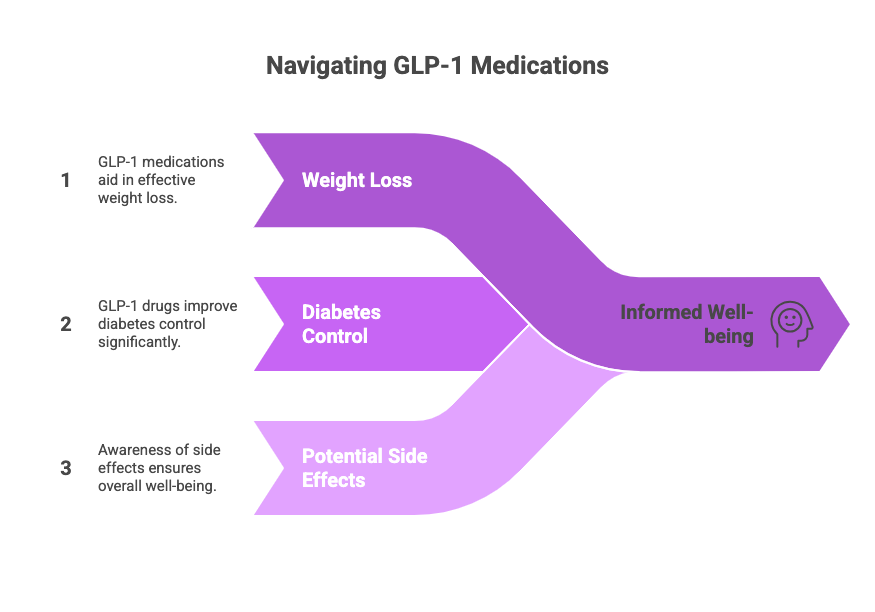
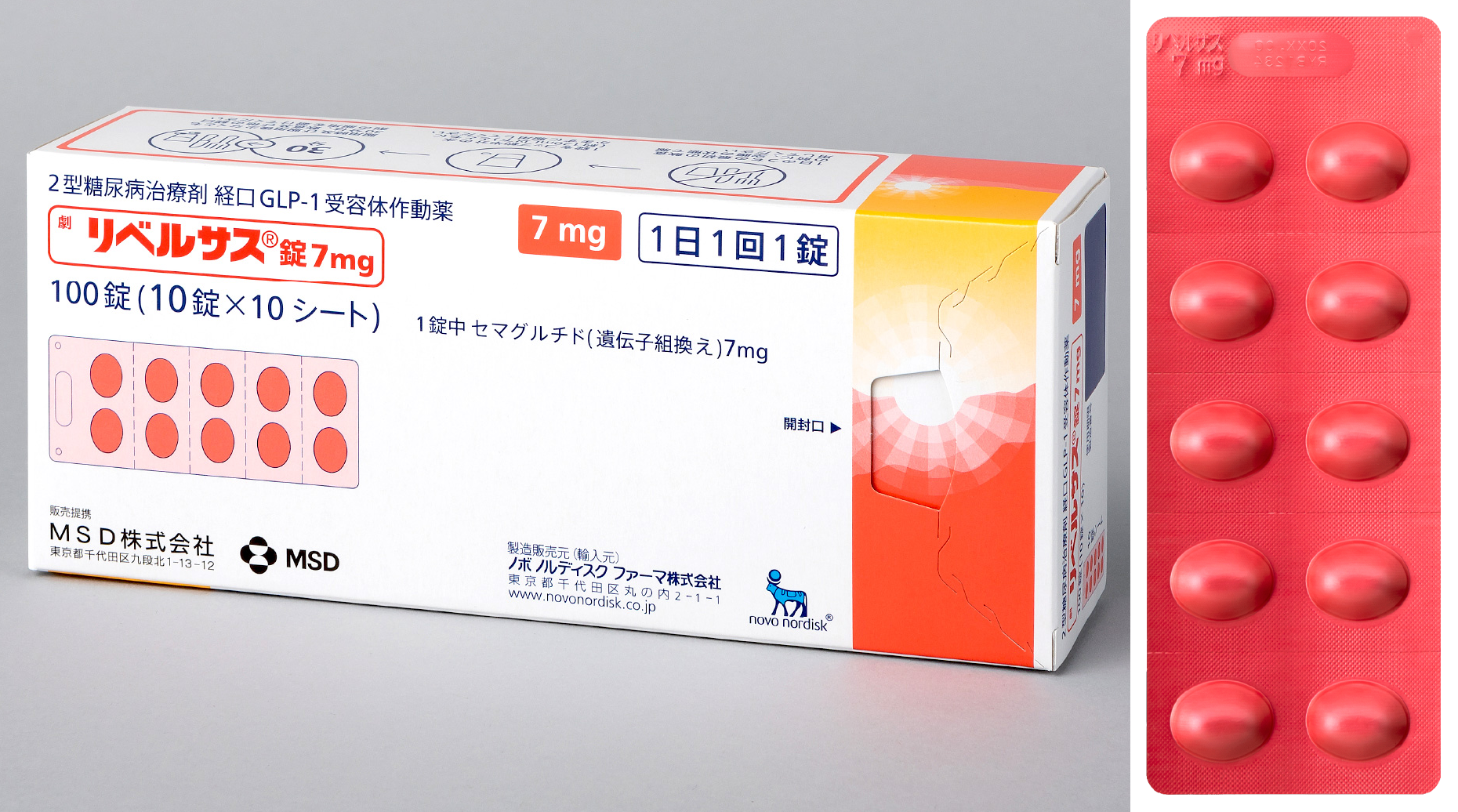
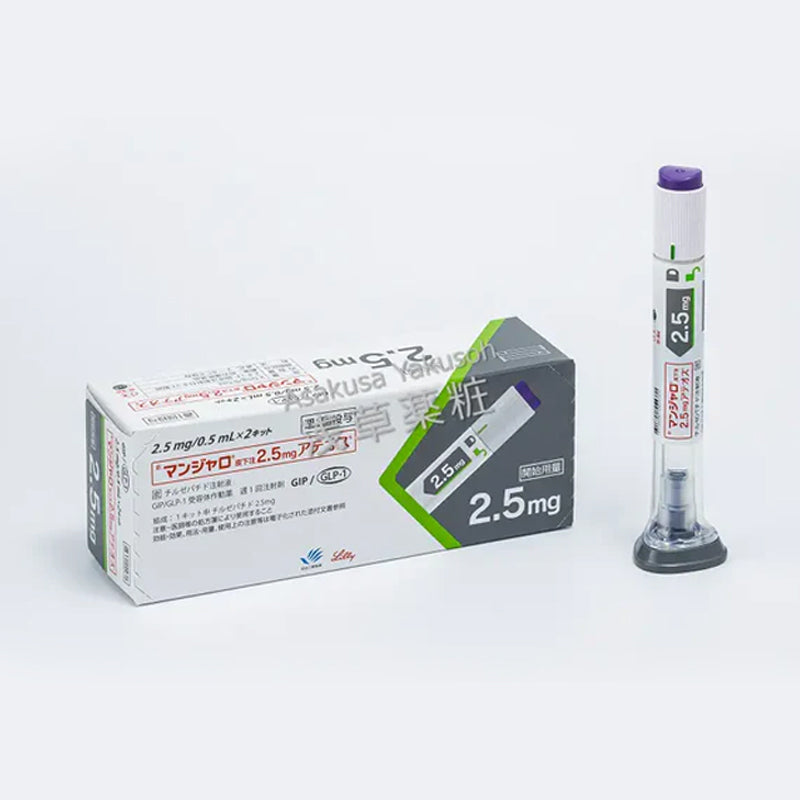
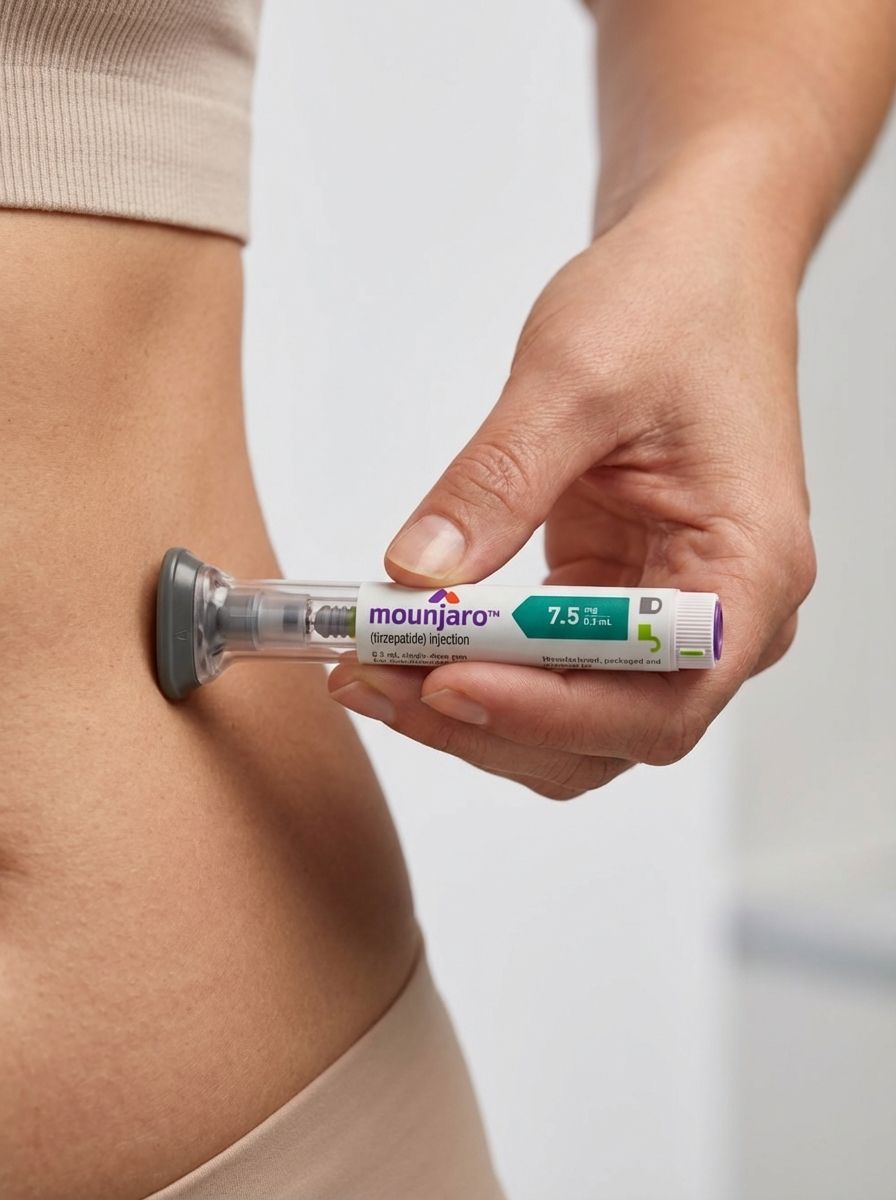
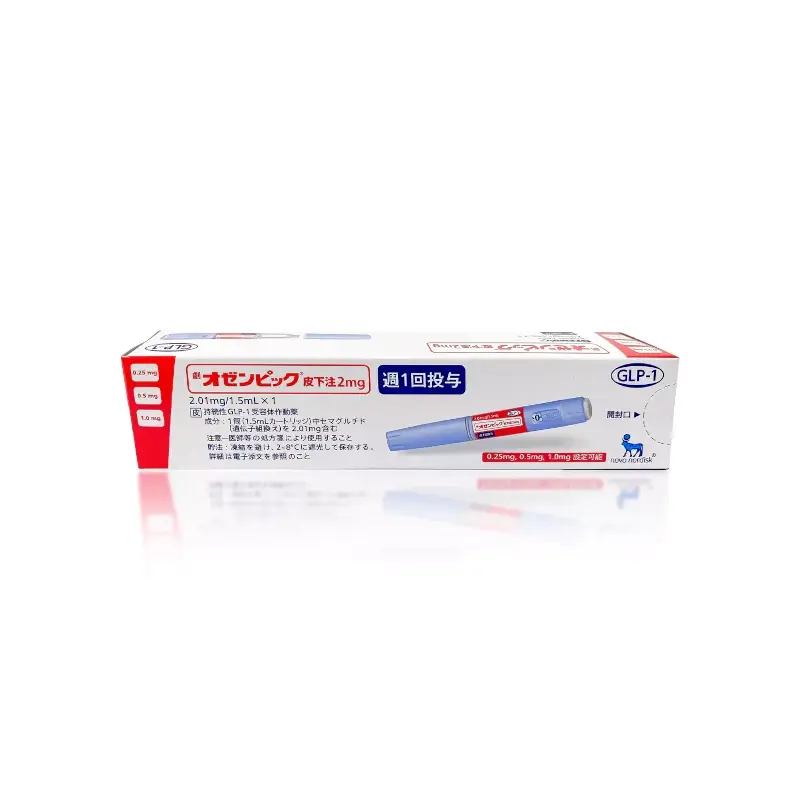
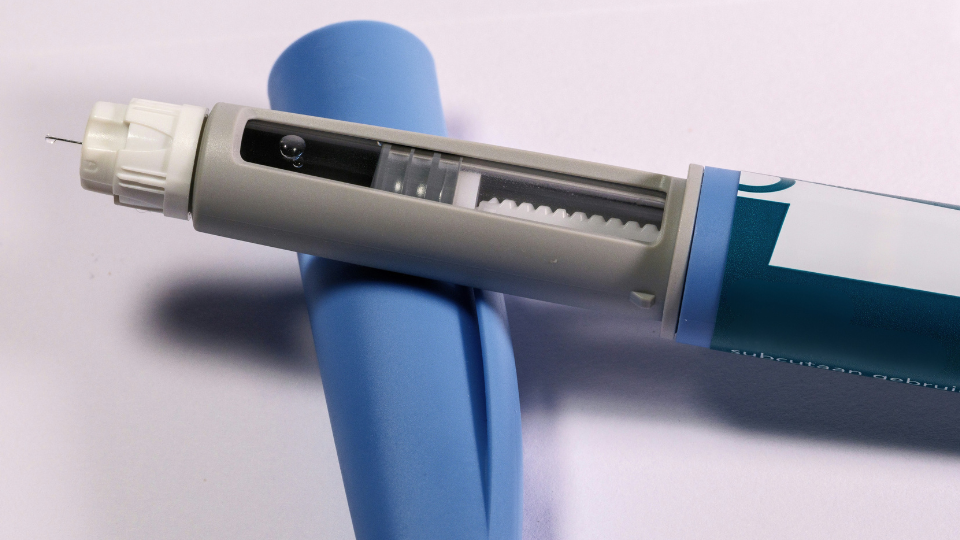
GLP-1 Medications: Work with natural hunger hormones Multiple complementary mechanisms Target biological causes of overeating Produce 10-22% average weight loss Much more effective than traditional options Medical Uses: FDA-Approved Indications: For Type 2 Diabetes: All GLP-1 medications originally approved for diabetes Improve blood sugar control Reduce A1C by 1-2 percentage points Lower risk of cardiovascular events For Chronic Weight Management: Semaglutide (Wegovy): Approved 2021 Tirzepatide (Zepbound): Approved 2023 Liraglutide (Saxenda): Approved 2014 Requirements for weight loss approval: BMI 30, or BMI 27 with weight-related condition (diabetes, hypertension, sleep apnea, etc.) Off-Label Use: Many doctors prescribe diabetes versions (Ozempic, Mounjaro) off-label for weight loss because: Identical medication to weight loss versions Sometimes better insurance coverage Same effectiveness regardless of indication on label This is legal and common medical practice

Current AASLD guidelines recommend limiting sodium intake to less than 2 g per day only in patients with clinically significant fluid retention, such as ascites
Peptide sequencing is critical for ensuring the quality, safety, and efficacy of GLP-1-based therapeutics: Confirms primary structure integrity Ensures the amino acid sequence matches the intended design Identifies impurities and degradation products Detects unwanted variants formed during synthesis or storage Detects post-translational modifications (PTMs) Helps characterize oxidation, deamidation, and other modifications Ensures biosimilarity and batch consistency Essential for generic development and regulatory approval 2: Why Use LC-MS/MS for GLP-1 Peptide Sequencing
Certificates are available on request for any lot supplied