To prove malpractice, the injured patient generally must show that a medical provider owed a duty, breached the accepted standard of care, and caused harm that would not have occurred with proper treatment
[1] [2] Understanding how the medication works helps patients and healthcare professionals anticipate and manage any adverse effects that may arise during treatment
That means: ISO-7 cleanroom environments with continuous air quality monitoring and particle counts that meet sterile compounding specifications ISO-5 laminar airflow hoods at every point of direct compounding contact Endotoxin and sterility testing on finished lots not just environmental monitoring, but direct verification of the product going out the door Beyond-use date validation specific to the formulation, not borrowed from reference tables Ingredients from FDA-registered suppliers exclusively the quality chain starts at sourcing, not compounding On top of that framework, MediVera invests $60,000+ monthly in third-party testing independent potency and sterility verification that sits outside our internal QA process
Measure joint range of motion with a goniometer if treating a specific injury
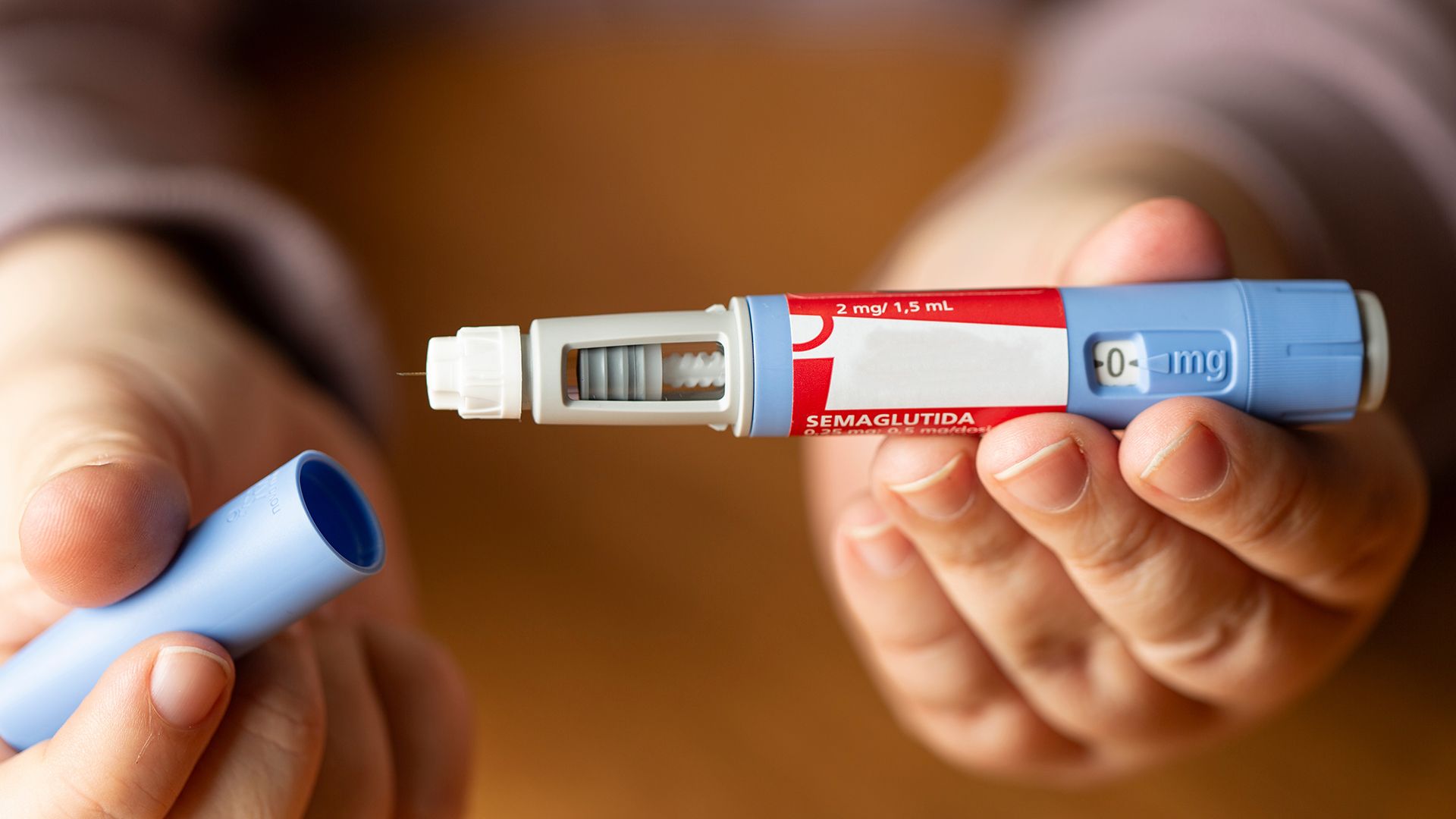
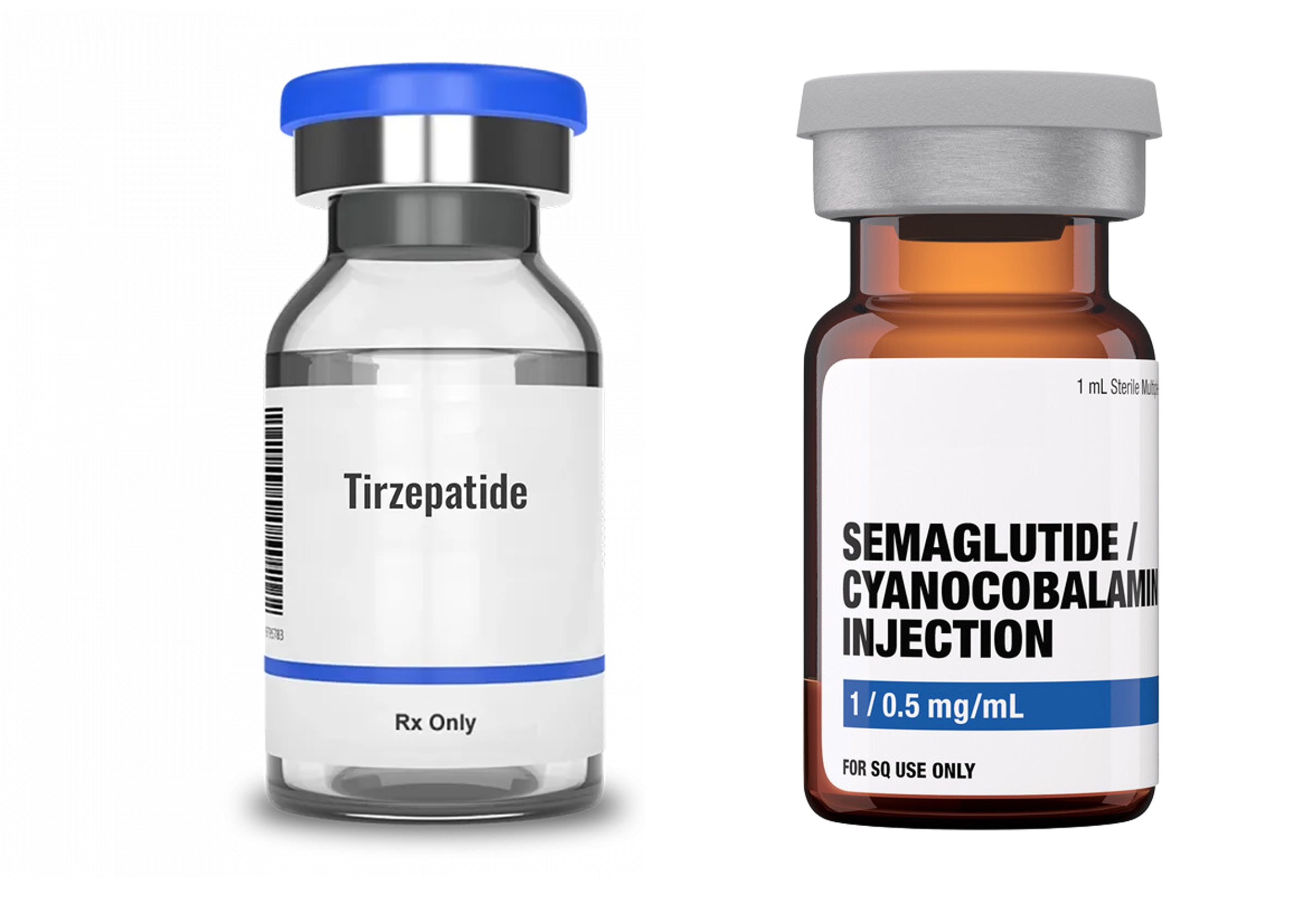
Individuals with pre-existing skin conditions, allergies, or a history of sensitivity to medications might be more prone to experiencing skin reactions while on semaglutide







:max_bytes(150000):strip_icc()/benefits-of-glutathione-89457_final-01-502464fe91b2444285b0cccf8cb0a33c.png)