Drugs that may increase the risk of hypoglycemia : antidiabetic agents, ACE inhibitors, angiotensin II receptor blocking agents, disopyramide, fibrates, fluoxetine, monoamine oxidase inhibitors, pentoxifylline, pramlintide, salicylates, somatostatin analog (e.g., octreotide), sulfonamide antibiotics, GLP-1 receptor agonists, DPP-4 inhibitors, and SGLT-2 inhibitors Drugs that may decrease the blood glucose lowering effect: atypical antipsychotics (e.g., olanzapine and clozapine), corticosteroids, danazol, diuretics, estrogens, glucagon, isoniazid, niacin, oral contraceptives, phenothiazines, progestogens (e.g., in oral contraceptives), protease inhibitors, somatropin, sympathomimetic agents (e.g., albuterol, epinephrine, terbutaline), and thyroid hormones Drugs that may increase or decrease the blood glucose lowering effect : alcohol, beta-blockers, clonidine, lithium salts, and pentamidine Drugs that may blunt the signs and symptoms of hypoglycemia : beta-blockers, clonidine, guanethidine, and reserpine Please click here for Tresiba Prescribing Information
Muscle preservation is a priority Early data suggests tirzepatide may preserve more lean mass during weight loss
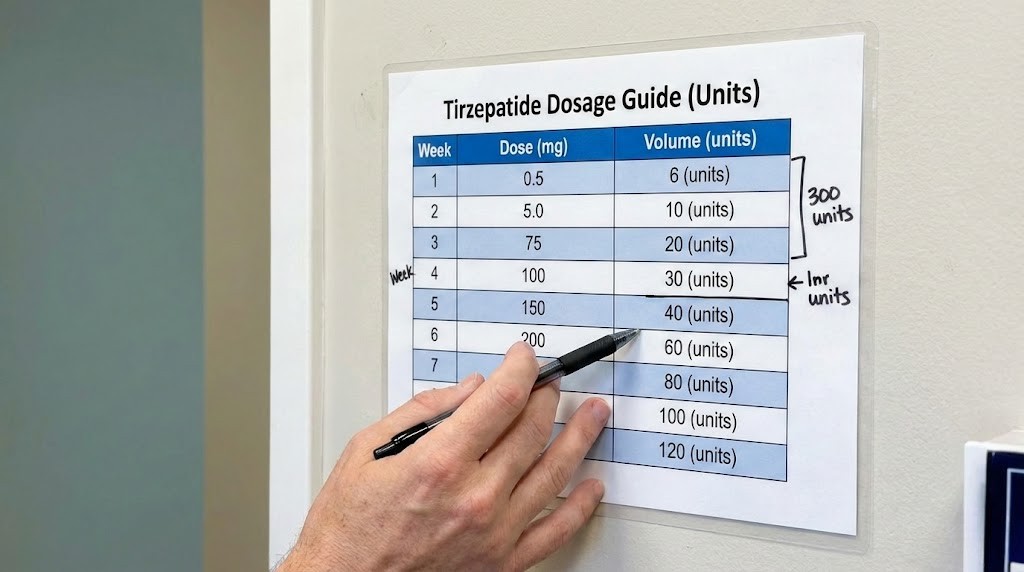
Weeks 9 through 12: tirzepatide 7.5 mg The 7.5 mg dose represents a meaningful step up in both efficacy and appetite suppression
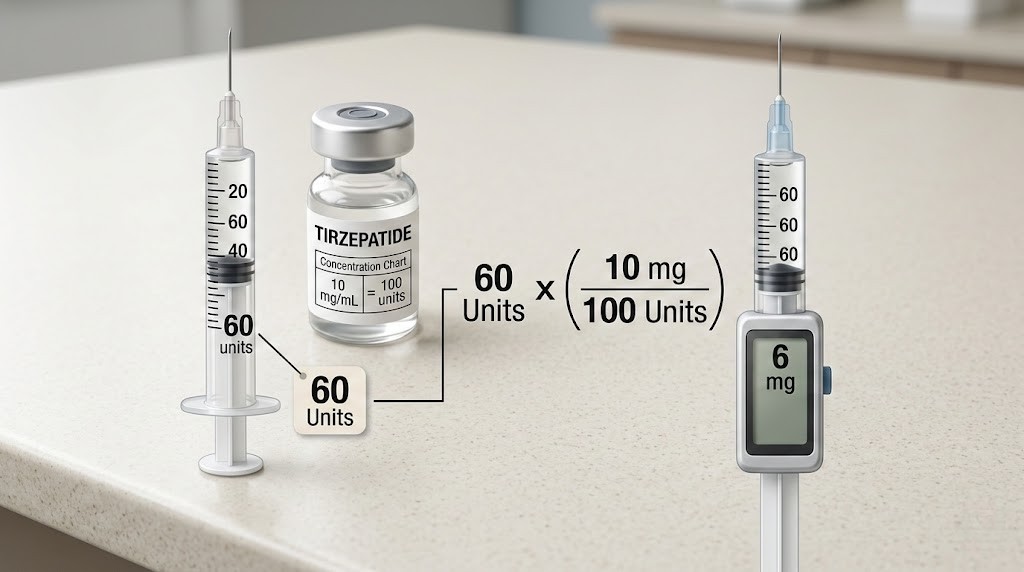
Notice that 40 units at 20 mg/mL delivers 8 mg of tirzepatide , not the 4 mg you would get at 10 mg/mL
Whether B12 is necessary depends on your diet, medical history, absorption ability, and lab results