Delivered directly into the bloodstream, glutathione bypasses digestive breakdown and supports detoxification at the cellular level, particularly in the liver, by: Neutralizing free radicals Supporting phase I and phase II liver detox pathways Regenerating other antioxidants such as vitamins C and E Protecting cells from oxidative damage Maintaining intracellular redox balance Potential physiological effects Intravenous glutathione may support: Reduction of systemic oxidative stress Enhanced liver detoxification capacity Improved immune system regulation Cellular protection against toxins Skin and tissue health Reduction of inflammatory burden Mitochondrial protection Support of neurological health Improved recovery from environmental stressors Overall cellular resilience Clinical applications Glutathione IV therapy may be utilized as part of protocols aimed at: Detoxification and liver support Anti-aging and skin health optimization Enhanced immune resilience Protection against environmental and metabolic toxins Recovery-focused and wellness protocols Safety considerations When properly dosed and medically supervised, intravenous glutathione therapy is generally well tolerated

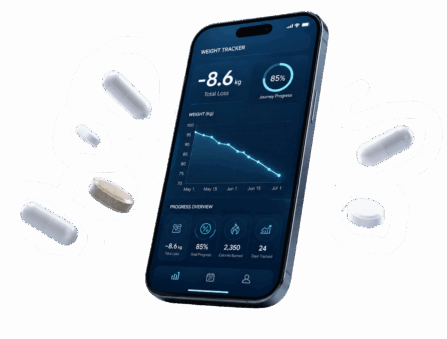
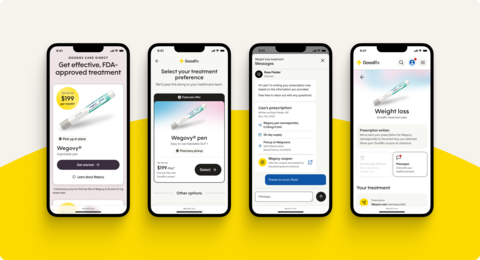
Custom push notifications ensure you never miss a dose, keeping your treatment schedule consistent and on track
Differential cell growth/apoptosis behavior of 13-hydroxyoctadecadienoic acid enantiomers in a colorectal cancer cell line
After bariatric surgery, postprandial PYY, GLP-1 and OXM rises sharply and contributes to improved adipocyte mass regulation
Large CMN may have a garment distribution (eg, bathing trunk, cape) and are frequently accompanied by multiple smaller, widely disseminated satellite nevi