USA 104 , 1506915074 (2007)
Add TAURINE to recharge your system
Documented biological mechanisms More than 100 preclinical studies have documented various GHK-Cu effects, mainly on cultured fibroblasts, skin explants and murine wound healing models: Stimulation of type I and III collagen synthesis in cutaneous fibroblasts Increased elastin and modulation of metalloproteinases (MMP-2, MMP-9) anti-degradation profile Activation of decorin and glycosaminoglycan synthesis (hyaluronic acid, chondroitin sulfate) VEGF induction and angiogenesis documented on chorioallantoic membrane and in vivo Anti-oxidant activity by modulating expression of SOD, catalase, glutathione peroxidase Broad transcriptomic modulation : microarray studies have shown more than 4000 genes modulated by GHK-Cu on fibroblasts, with a tissue rejuvenation signature Standard experimental models Primary fibroblast cultures human (Hs27, BJ) and murine, concentrations 10-100 g/mL GHK-Cu Ex vivo skin explant models to test penetration and dermal matrix action Murine wound models (excisional wound, burn) with kinetic closure measurement and histology Full-thickness healing models with immunohistochemical staining (collagen I, III, -SMA for myofibroblasts) Matrixyl: the synthetic palmitoyl pentapeptide Structure Matrixyl (Pal-KTTKS, generic name palmitoyl pentapeptide-4 ) is a synthetic pentapeptide Lys-Thr-Thr-Lys-Ser derived from the C-terminal propeptide of type I procollagen

A.VoortmanT
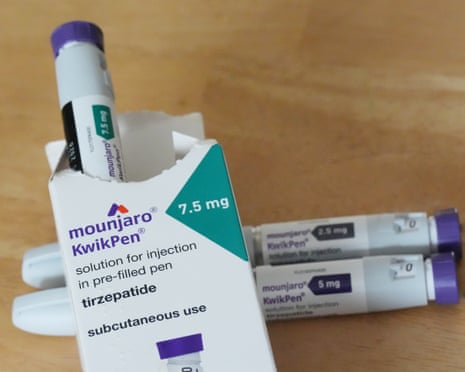
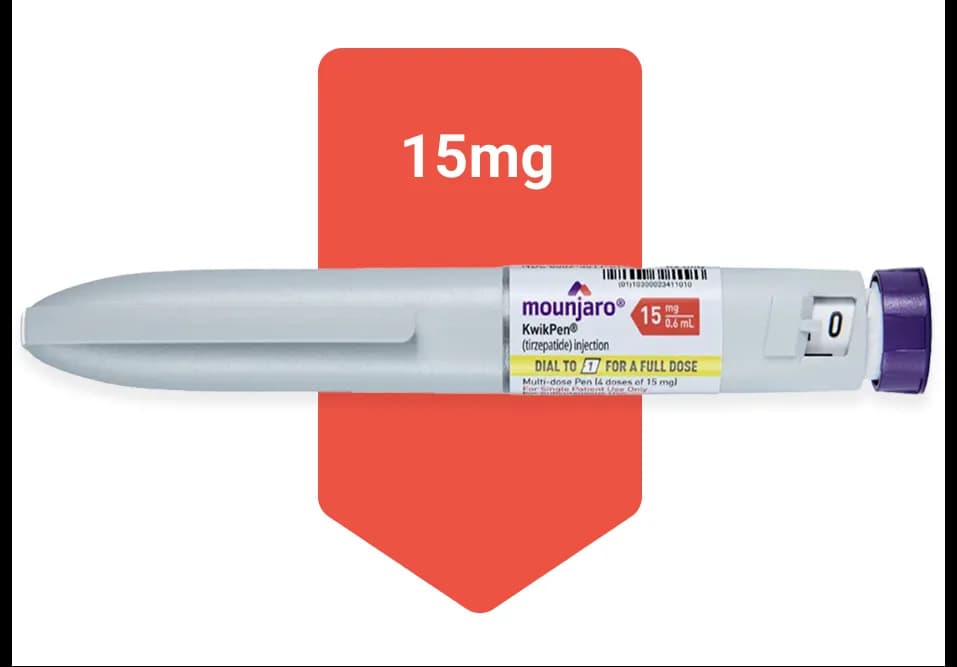
That looks like tracking injection timing and location, recording when and where aches start, prioritizing protein- and electrolyte-rich foods, and pacing increases in activity




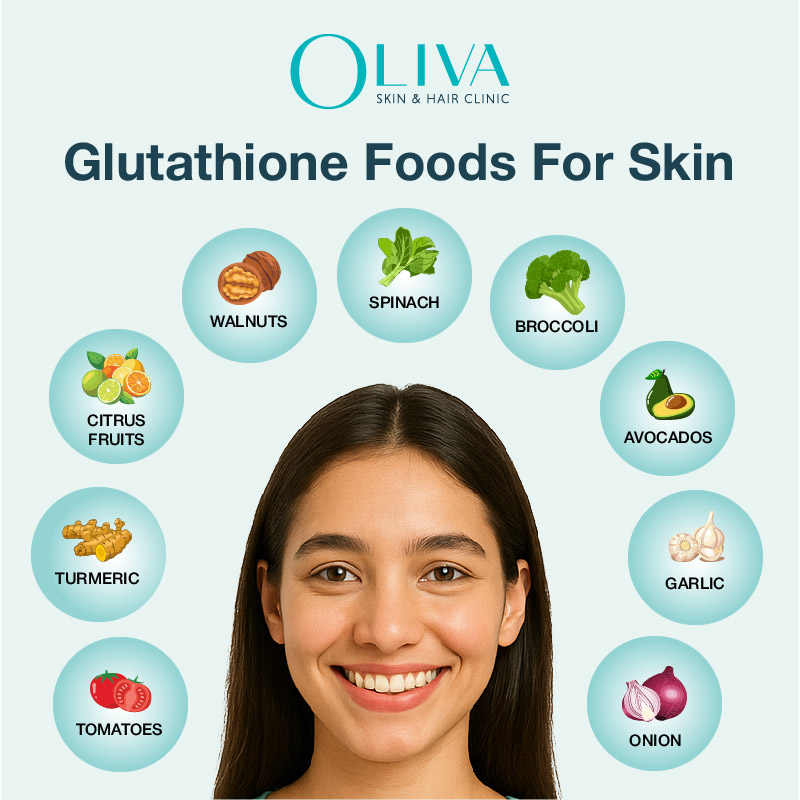
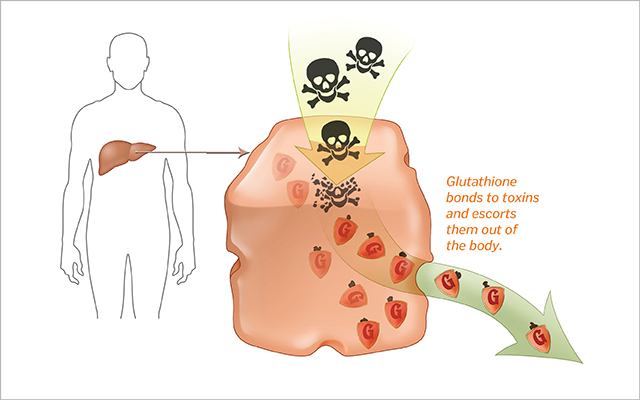
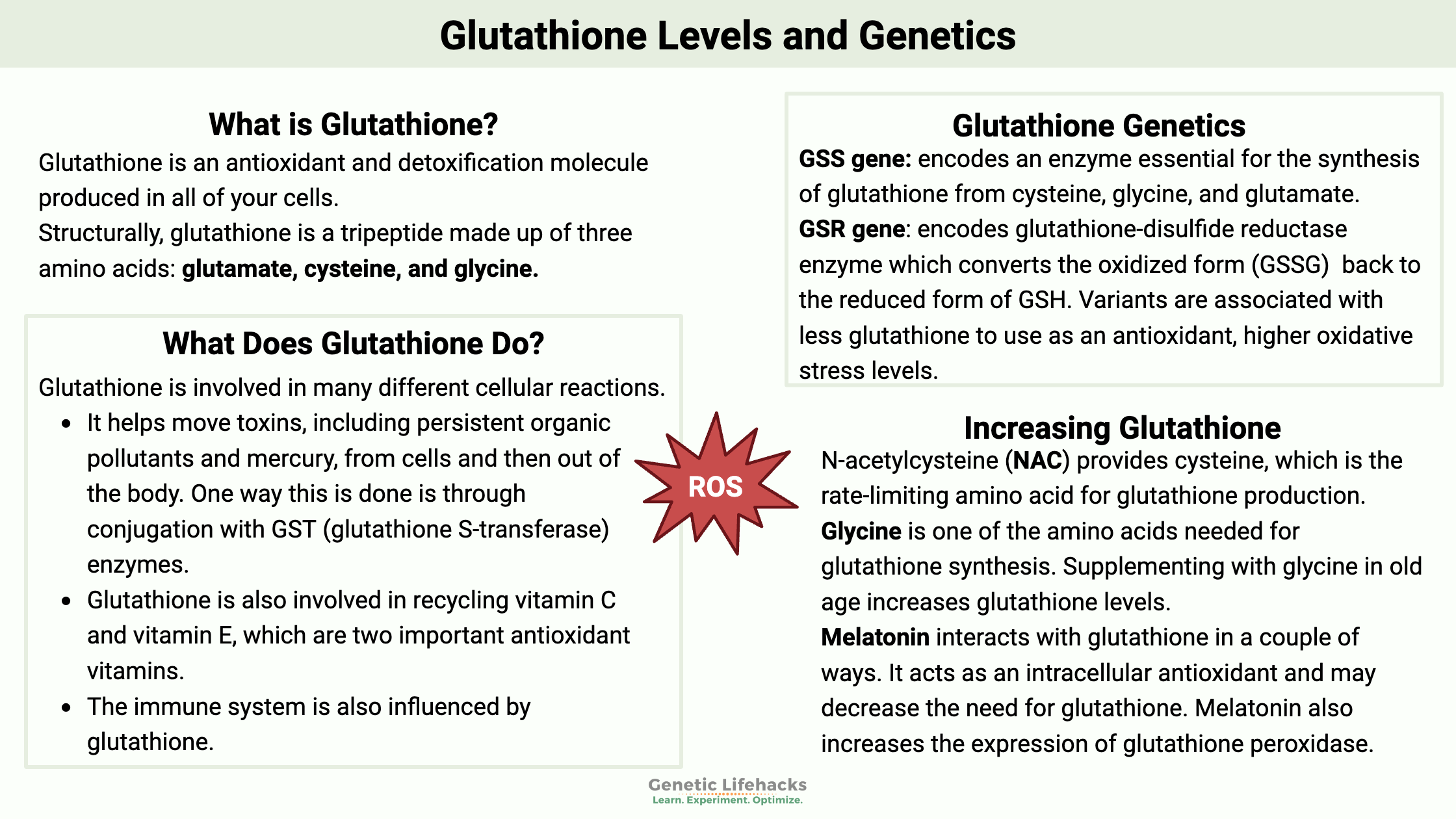
:max_bytes(150000):strip_icc()/benefits-of-glutathione-89457_final-01-502464fe91b2444285b0cccf8cb0a33c.png)