Thaulow, E., Erikssen, J., Sandvik, L., Stormorken, H
It began in 2001 as a predominantly smokeless tobacco brand, expanding further to a vast range of moist snuff, pouches, and chew tobaccos
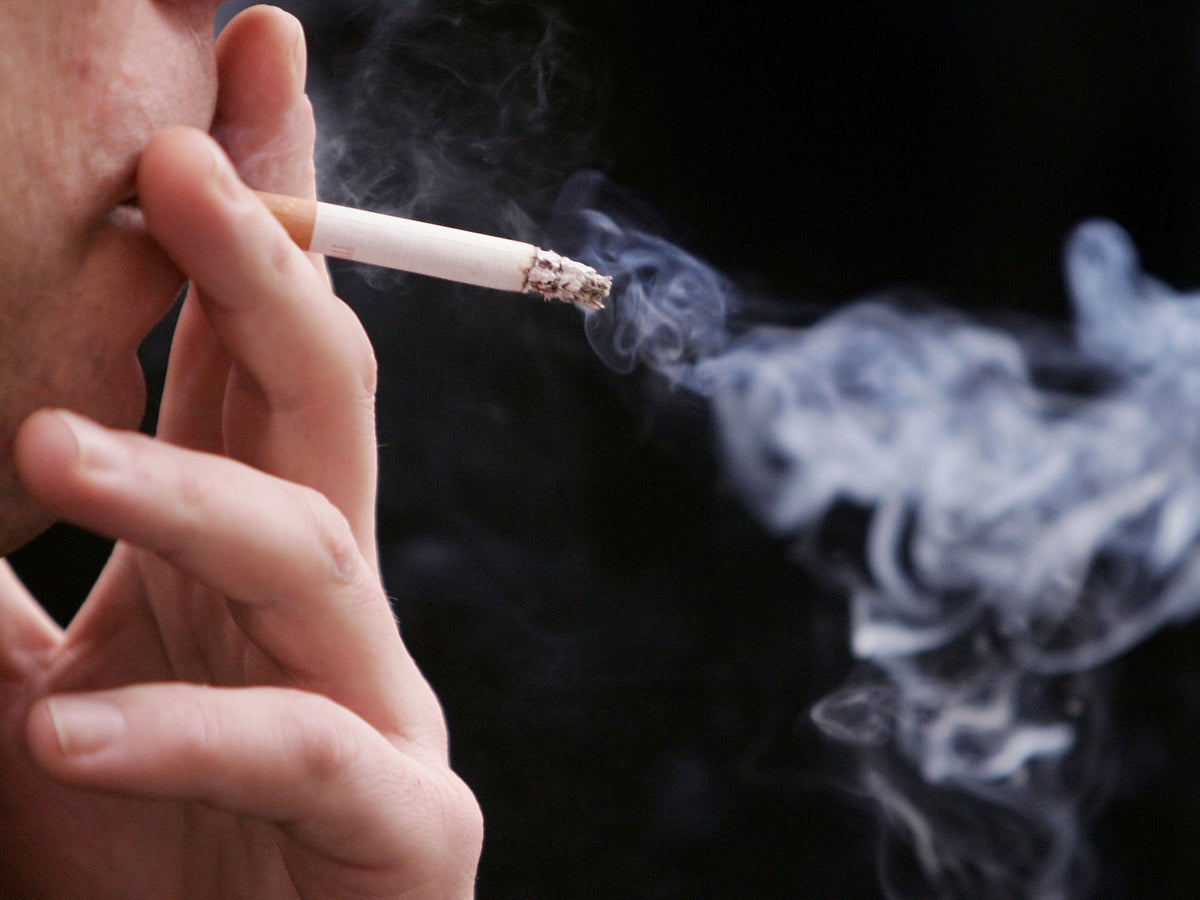
Key Points A large body of literature strongly suggests that cigarette smoke unfavourably influences all major stages of atherosclerosis as well as pathological atherothrombus formation Cigarette smoke contains oxidant compounds that cause oxidative stress in the endothelium, leading to endothelial dysfunction and injury, initiation of the atherosclerotic process, and subsequent formation of atherosclerotic plaques Cigarette smoke promotes the development of vulnerable plaques and plaque rupture by enhancing inflammation and activating matrix metalloproteinases Cigarette smoke causes platelet activation, and promotes platelet aggregation and platelet adhesion to sites of endothelial injury Exposure to cigarette smoke shifts the balance of haemostasis towards thrombus formation by enhancing blood clotting and, at the same time, reducing the fibrinolytic capacity This is a preview of subscription content, access via your institution Access options Subscribe to this journal Receive 12 print issues and online access $189.00 per year only $15.75 per issue Buy this article Purchase on SpringerLink Instant access to the full article PDF

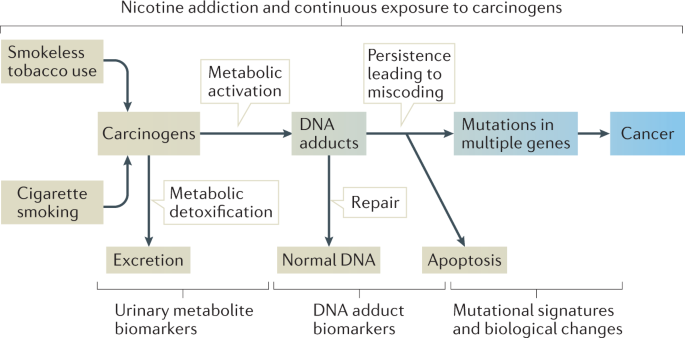
Regular smokers are at heightened risk of developing cardiovascular disease, but crushing the butts in favor of a smokeless alternative like chewing tobacco, snuff or tobacco lozenges may go a long way toward bringing the danger down to a more normal level, a new UCLA-led study shows
The more bacteria in your mouth the higher chance of developing cavities