These peptide molecules communicate directly with the cells
Key Takeaways Intestinal permeability is a regulated biological process studied in gastroenterology and immunology Leaky gut is a non-clinical term describing patterns linked to increased permeability The gut barrier is influenced by tight junctions, the mucus layer, microbes, and microbial metabolites Short-chain fatty acids (SCFAs) play a central role in barrier regulation Increased permeability is context-dependent and not always harmful Long-term gut barrier support focuses on regulation and resilience, not sealing the gut Why This Distinction Matters Confusing these terms can lead to: Fear-based health messaging Overdiagnosis Unsubstantiated treatment claims Science does not recognize leaky gut as a standalone disease
Prostate artery embolization (PAE) is a minimally invasive procedure that can be used to treat Benign Prostate Hyperplasia (BPH) or an enlarged prostate
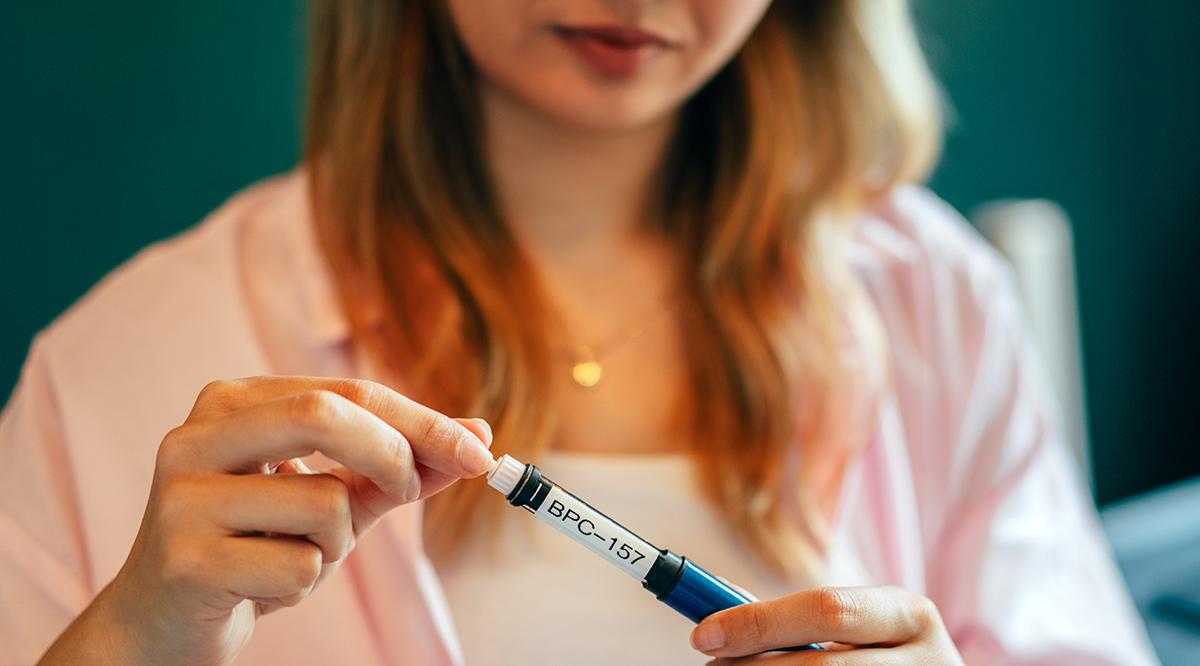
Over time, the term BPC-157 has appeared across research discussions and consumer products in ways that arent always clearly differentiated, including references to laboratory research, injectable use in medical or research contexts, and dietary supplements
The Vitamin D Council a scientist-led group promoting vitamin D deficiency awareness suggests vitamin D treatment might be found helpful in treating or preventing autism, autoimmune disease, cancer, chronic pain, depression, diabetes, heartdisease, high bloodpressure, flu, neuromuscular diseases, and osteoporosis







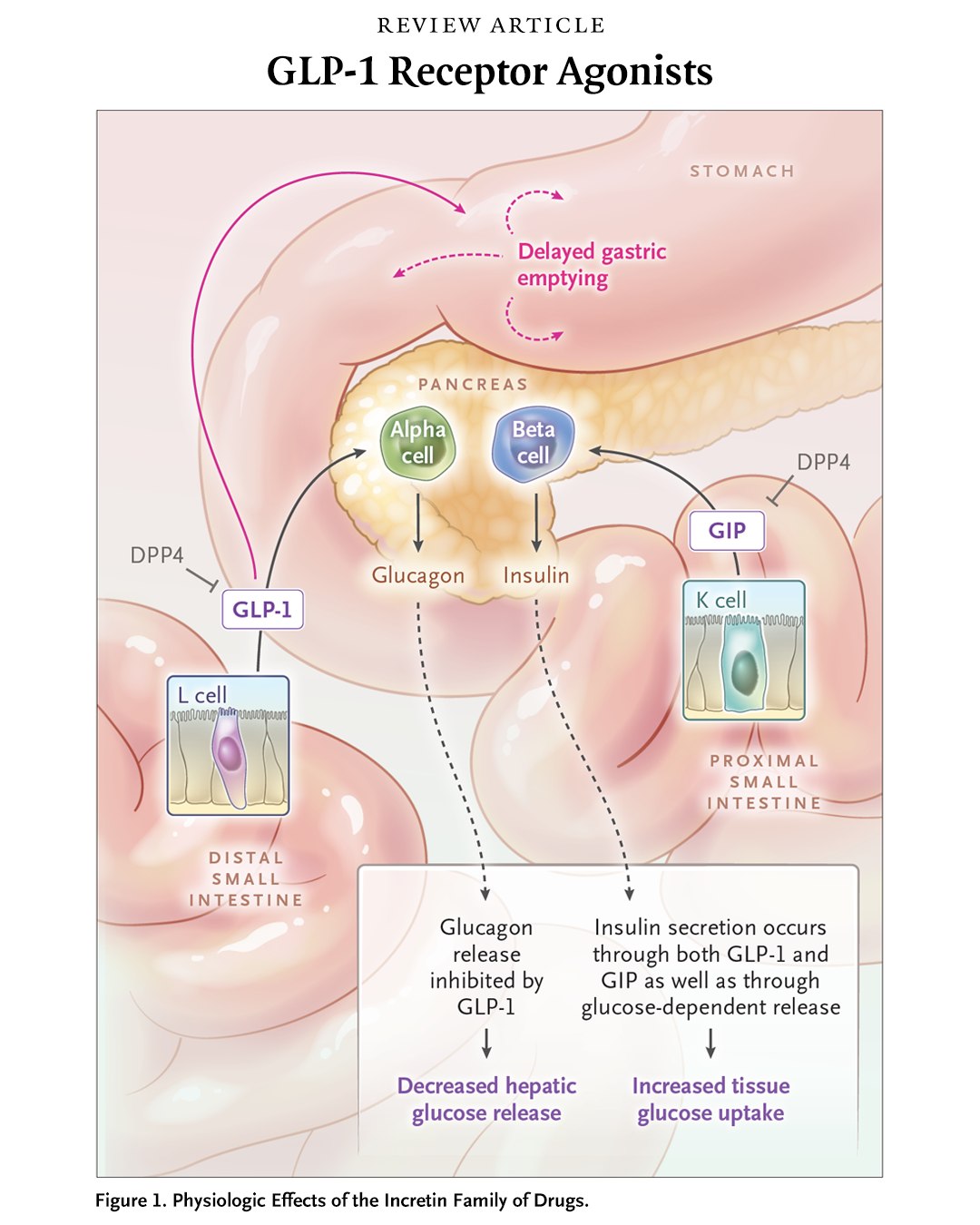
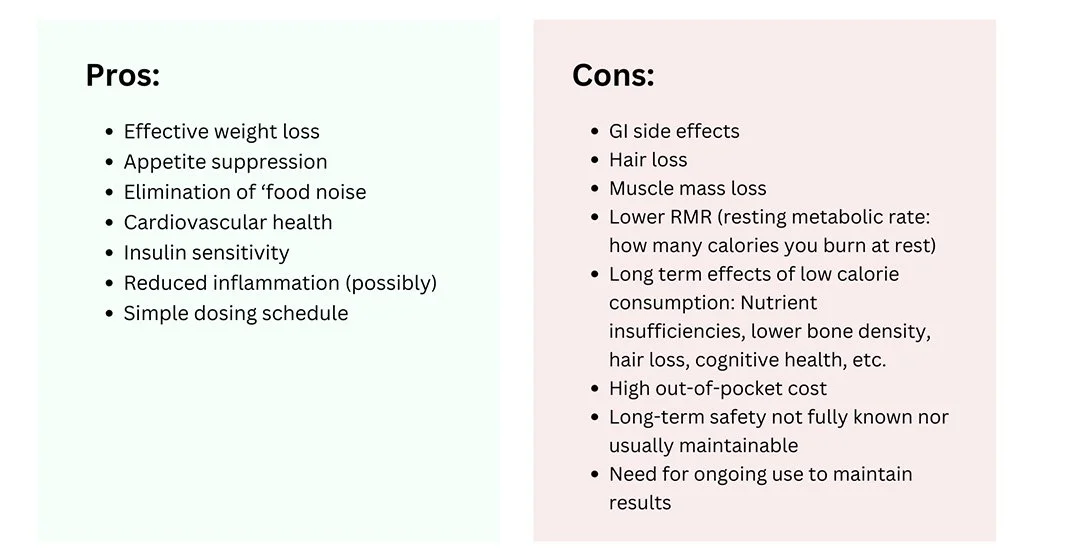


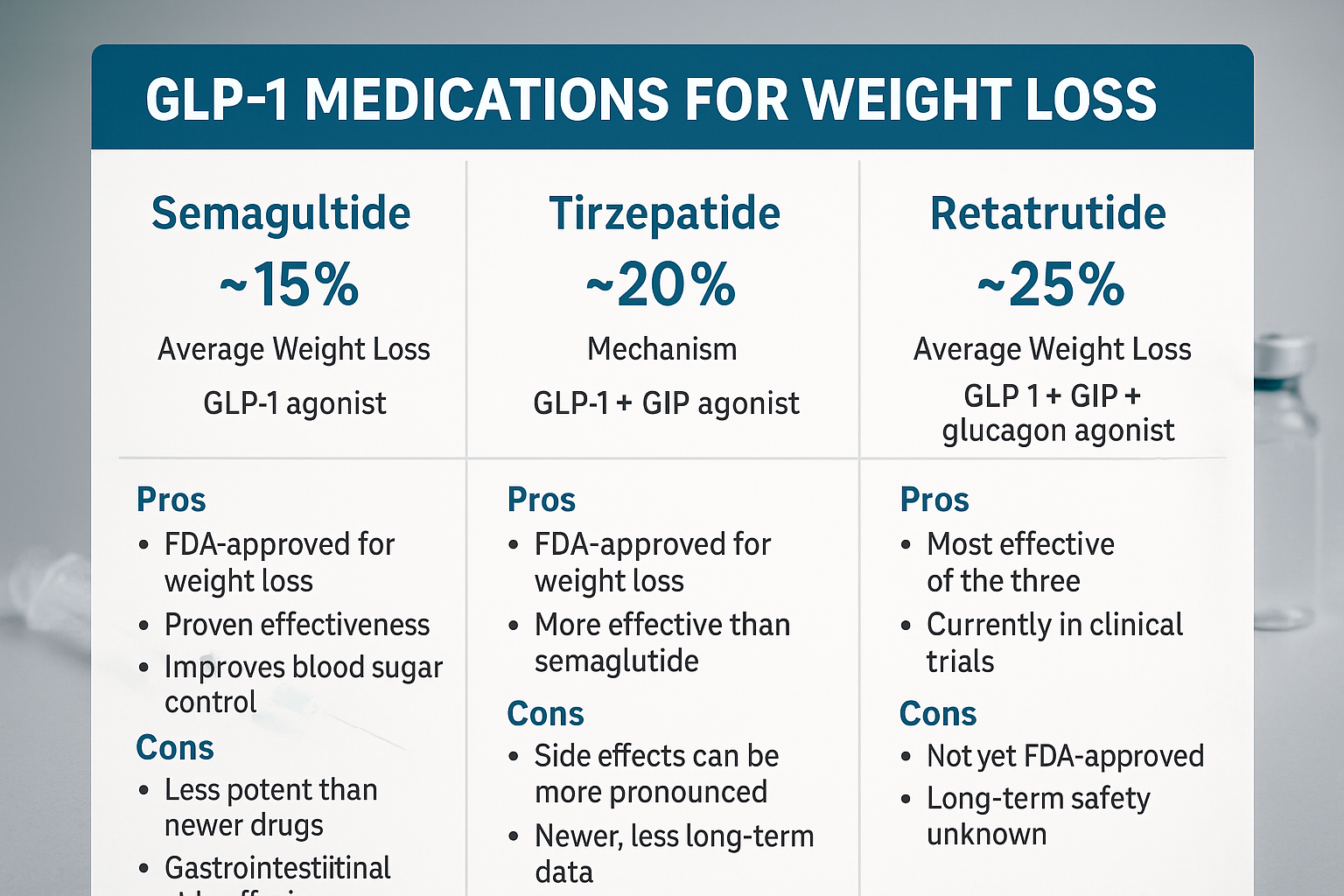

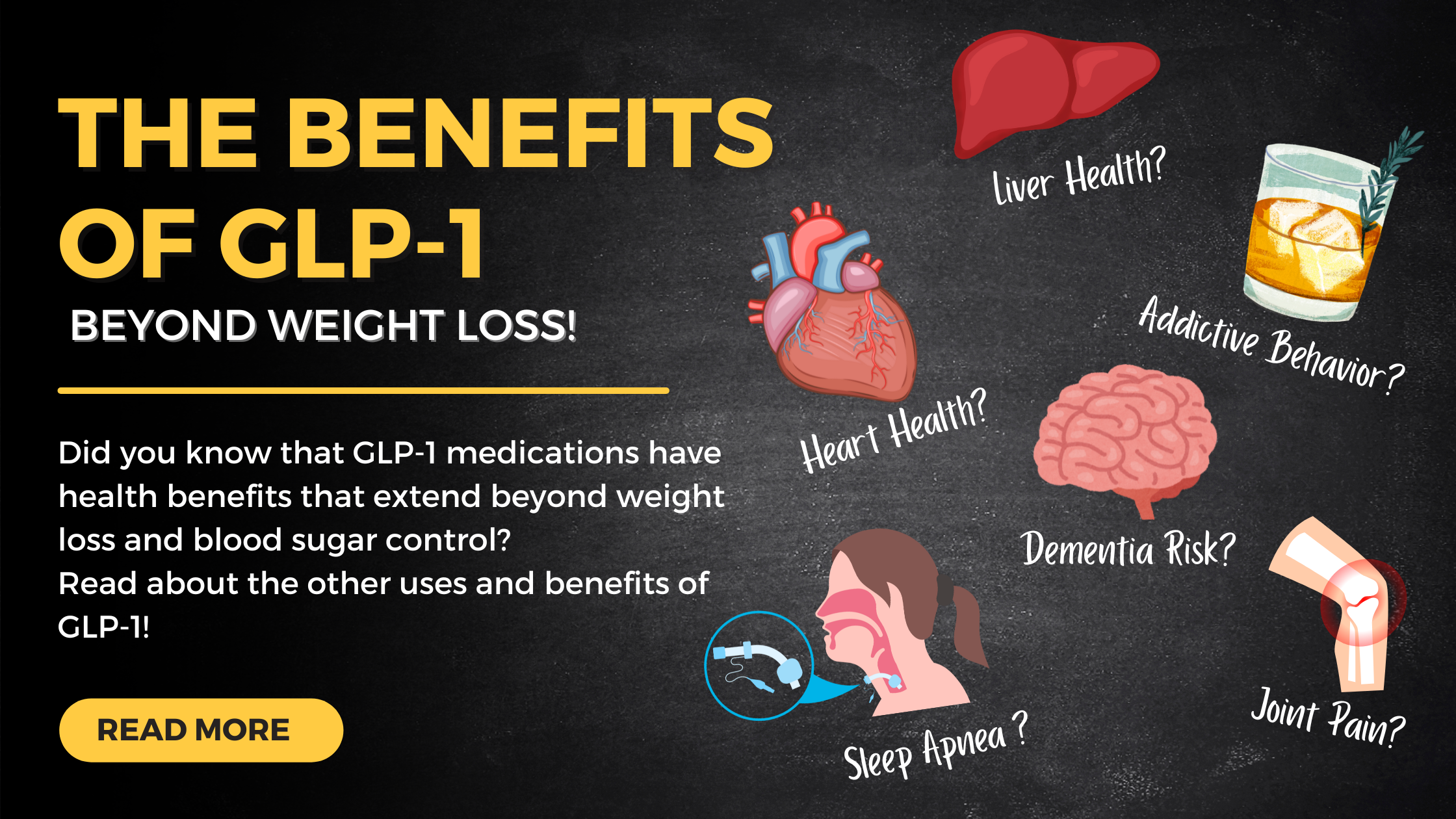


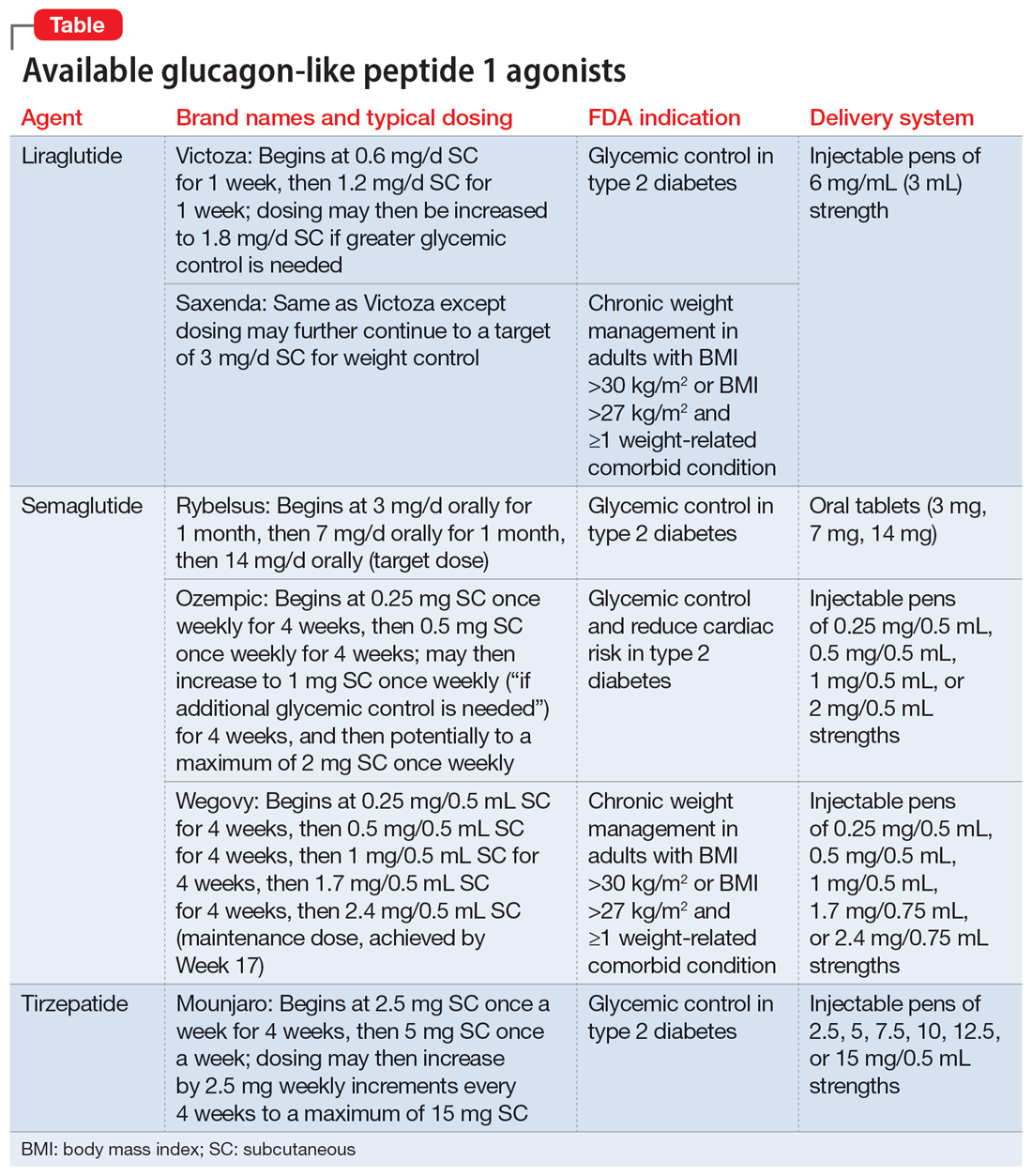

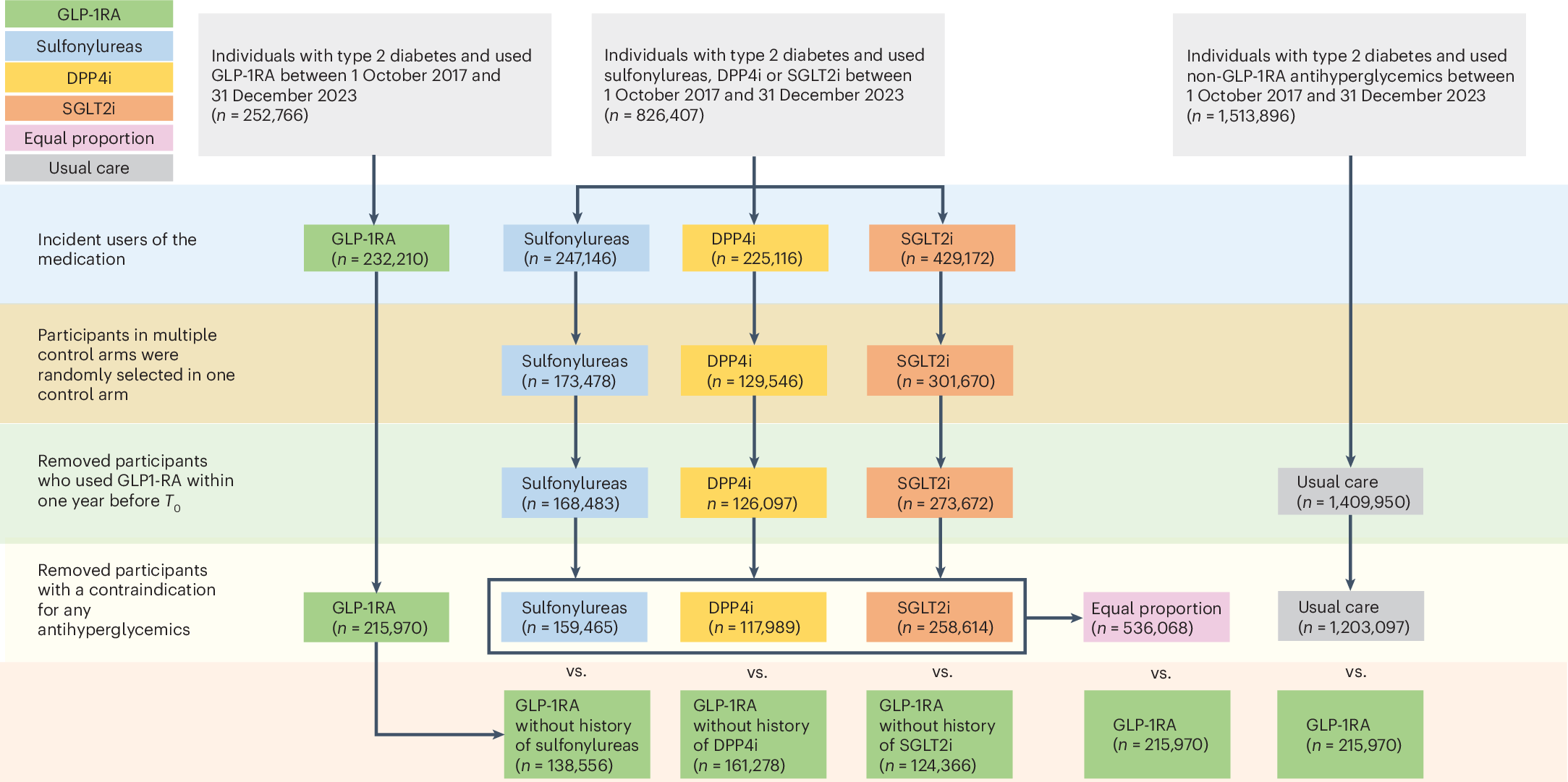
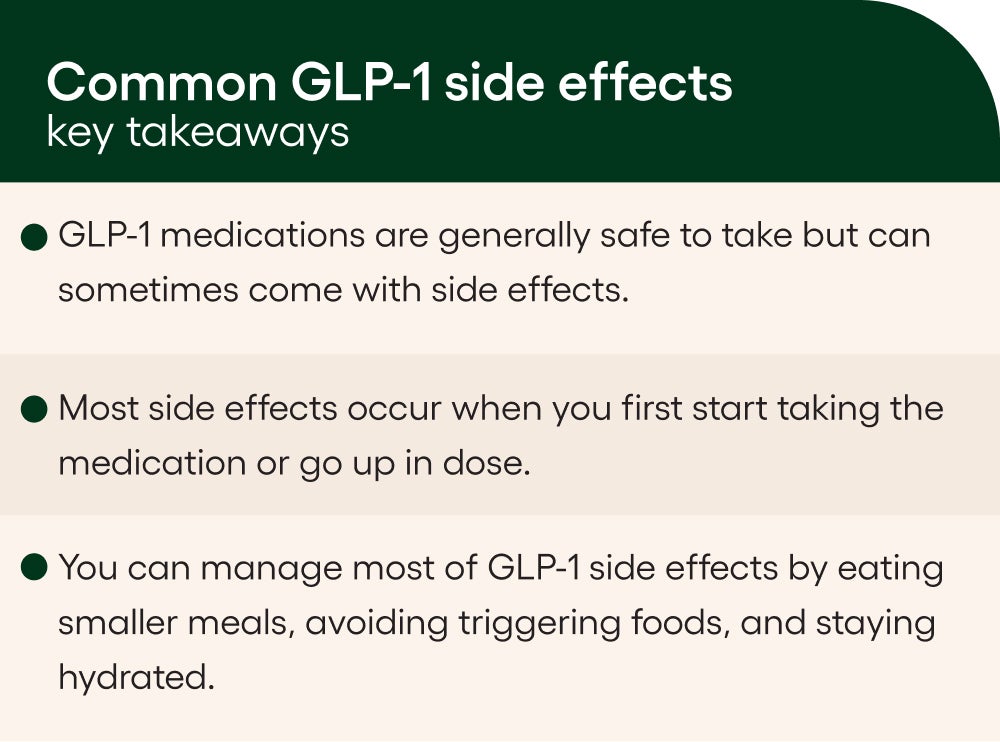


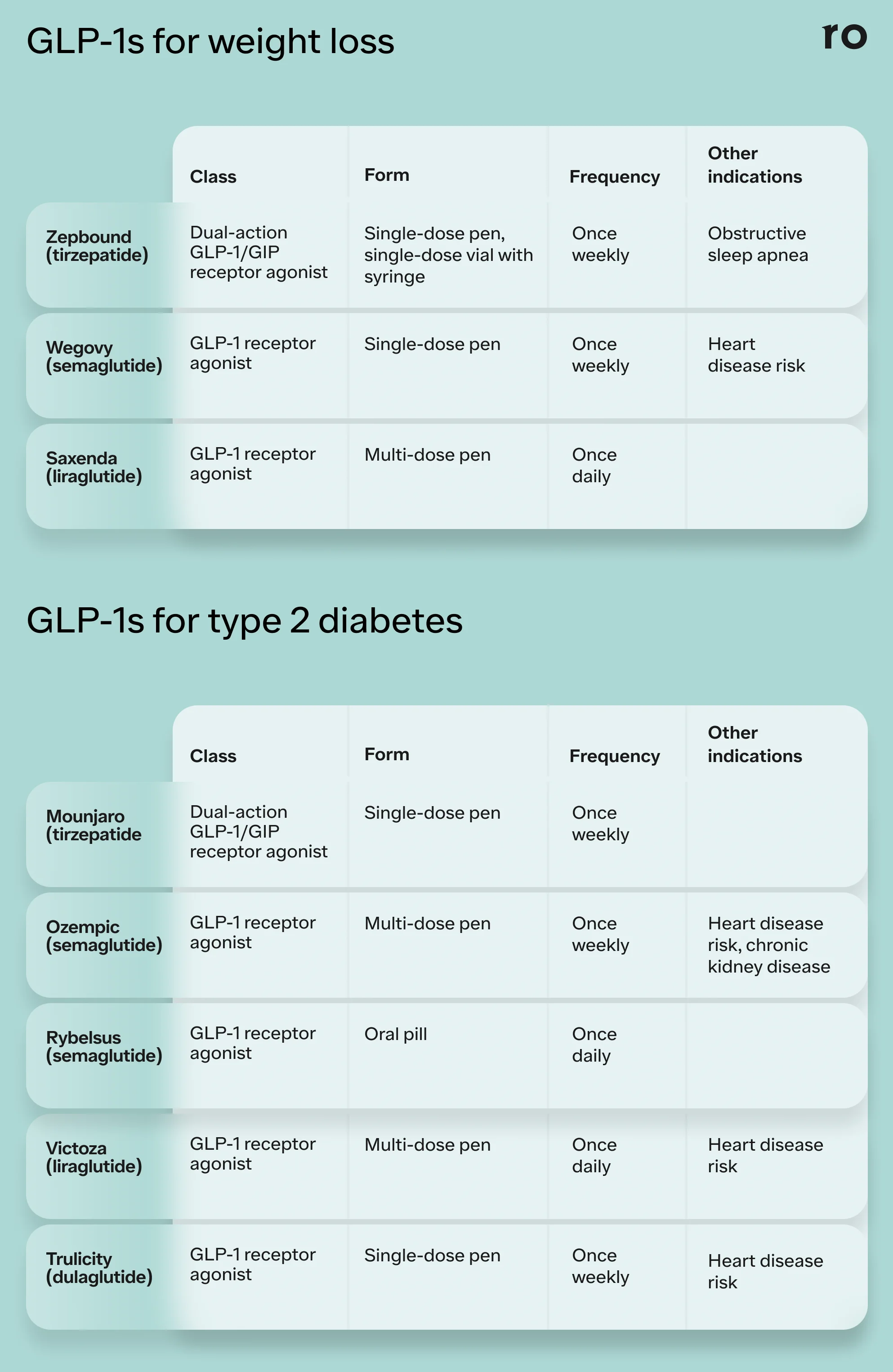
![GLP-1 Weight-Loss Medication Glucagon-like peptide-1 (GLP-1) receptor agonists (semaglutide [Wegovy, Ozempic, Rybelsus]) and dual incretin agonists (tirzepatide [Zepbound, Mounjaro]) are popular treatments for obesity. The authors discuss the kind of](https://lookaside.fbsbx.com/lookaside/crawler/media/?media_id=1081800457495319)